الدليل الشامل لمراكز التشغيل العمودية في عام 2026: الميزات الذكية، ونصائح الاختيار، وعائد الاستثمار
Release time: 2026-02-05
If you are running a machine shop in 2026, you know the game has changed. It’s no longer just about who can cut metal the fastest; it’s about who can do it with the least amount of downtime, the highest precision, and—increasingly—the least amount of manual intervention.
At the heart of this shift is the workhorse of the modern factory: the Vertical Machining Center (VMC).
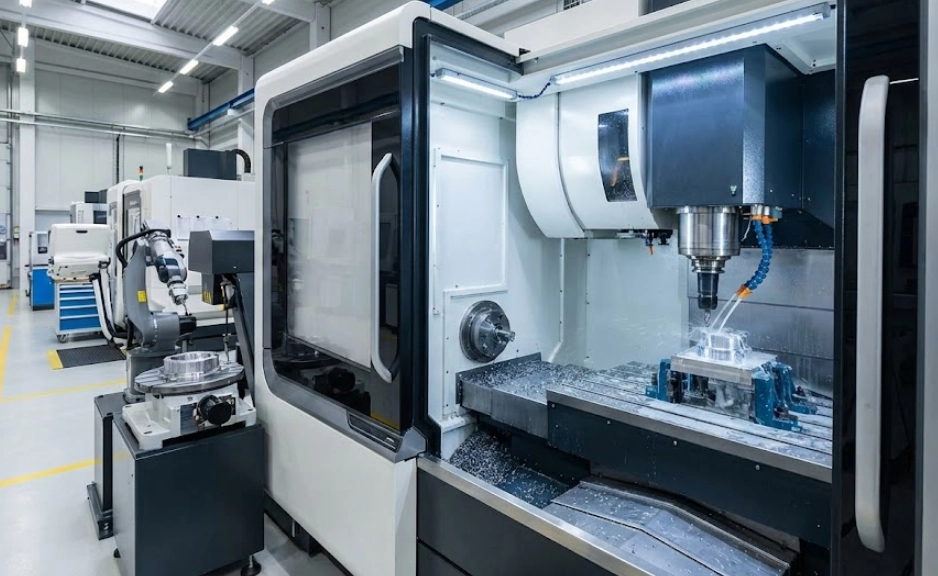
Whether you are looking to replace an aging CNC mill or you are expanding your production line to handle EV components, choosing the right VMC is probably the most critical decision you’ll make this year. But with technology evolving so fast, what actually matters right now?
In this guide, we’re cutting through the noise. We’ll look at what a “modern” Vertical Machining Center looks like in 2026, how to pick one that fits your workflow, and why the cheapest option is rarely the one that makes you money.
What Defines a “Top-Tier” Vertical Machining Center in 2026?
A decade ago, a VMC was defined by its horsepower and table size. Today, those are just the baseline. In 2026, a high-performance مركز تصنيع عمودي is defined by its “intelligence” and stability.
1. The Integration of Automation
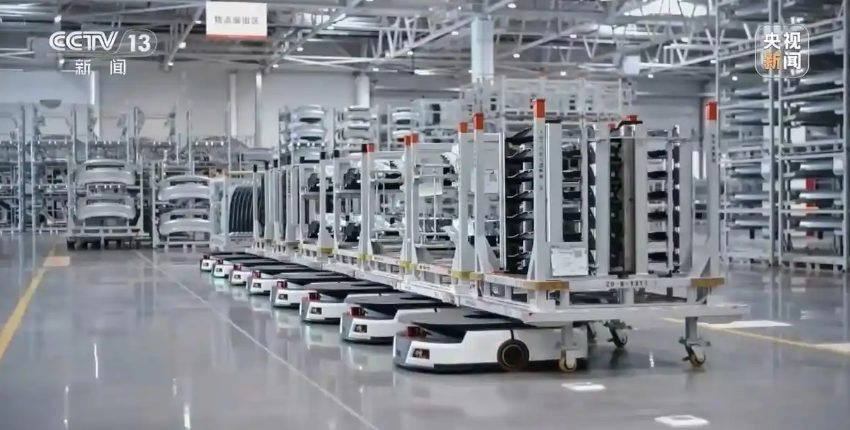
Labor shortages aren’t going away. The newest VMCs are designed with automation in mind from day one. We aren’t just talking about a simple chip conveyor. We are talking about seamless interfaces for robotic loading/unloading and Automatic Pallet Changers (APC) that allow you to set up the next job while the machine is still cutting the current one.
2. Thermal Stability and Precision
With tolerances getting tighter (especially in aerospace and medical sectors), thermal growth is the enemy. Modern high-quality VMCs now come with advanced cooling systems—not just for the spindle, but often for the ball screws and castings. This ensures that the part you cut at 8:00 AM measures the exact same as the part you cut at 4:00 PM.
Selection Tips: How to Spec Your VMC
Walking through a spec sheet can be overwhelming. Here is the cheat sheet for what you should actually focus on when browsing for a new vertical machining center.
The Spindle: Speed vs. Torque
This is where most buyers get stuck. Do you need 12,000 RPM or high torque?
- High RPM (10k – 15k+): Ideal for aluminum, small tools, and high-speed finishing. If you are doing mold making or aerospace parts, speed is your friend.
- High Torque (Geared or High-Power Direct Drive): If you are hogging out steel, cast iron, or titanium, you need torque at lower RPMs. Don’t get seduced by high speed if you primarily cut hard metals.
Rigidity: Box Ways vs. Linear Guides
There is an age-old debate in the مركز تصنيع عمودي world.
- Linear Guides: Fast, precise, and great for high-speed dynamic milling. They reduce cycle times significantly.
- Box Ways: Heavy, dampens vibration, and can take a beating. If you are doing heavy interrupted cuts, box ways are still king.
Pro Tip: Look at the machine weight. Generally speaking, a heavier machine absorbs vibrations better, leading to better surface finishes and longer tool life.
The Control System
Hardware is useless if the software slows you down. Look for controls that offer high processing speeds (look-ahead capability). This is crucial for 3D contouring, where the machine needs to process thousands of lines of code per second to maintain smooth motion.
The ROI Factor: It’s Not About Price, It’s About “Cost Per Part”
It is tempting to look at the sticker price of a مركز تصنيع عمودي and make a decision based on the lowest bid. But in the manufacturing world, “cheap” is often expensive.
Let’s talk ROI (Return on Investment).
1. Cycle Time Reduction
Imagine Machine A costs $50,000 and Machine B costs $70,000. If Machine B has a faster rapid traverse rate (moving between cuts) and a quicker tool change time (chip-to-chip), it might save you 10 seconds per part.
- Over a run of 10,000 parts, that is nearly 28 hours of production time saved.
- Machine B pays for the price difference in less than a year, simply by being faster.
2. Reliability and Downtime
The most expensive machine in your shop is the one that isn’t running. A high-quality VMC uses premium components (like NSK bearings, Schneider electrics, etc.) that don’t fail unexpectedly. When calculating ROI, factor in the cost of not being able to ship parts because your spindle blew out on a cheap machine.
خاتمة
The manufacturing landscape in 2026 demands equipment that is smarter, faster, and more rigid. A مركز تصنيع عمودي is the backbone of that production capability.
Don’t just buy a machine; invest in a solution that lowers your cost per part and future-proofs your shop floor. Whether you need high-speed capability for aluminum or heavy-duty torque for steel, the right choice is out there.
Ready to see what a high-performance VMC looks like? Check out our latest lineup of industrial-grade vertical machining centers here and find the perfect match for your production needs.